ibc tank Guide: Practical Advantages for Storage and Bulk Transport
ibc tank help streamline bulk handling by reducing container count, improving staging efficiency, and supporting predictable transport routines. Learn how ibc tank are used and what to consider before selecting one.
Bulk storage is not only about capacity. It is also about how smoothly materials move through your facility. When teams rely on many small containers, the workload increases through repeated lifting, labeling, staging, and partial transfers. In contrast, ibc tank consolidate volume into fewer standardized units, which can simplify day-to-day handling and make logistics more predictable. This article explains how ibc tank fit into real operations, which benefits show up first, and what checks help you choose the right ibc tank for your workflow.
Product link:
ibc tank
What an ibc tank is in simple terms
An ibc tank is a bulk container designed for storing and transporting liquids or certain bulk materials with a consistent footprint. Because ibc tank follow a standardized format, they are easier to stage, stack, and plan around than mixed small containers. In many environments, the value of an ibc tank comes from routine consistency, fewer touchpoints, and easier workflow control.
Where ibc tank are commonly used
ibc tank appear in many industries because they support both storage and transport needs. Common examples include:
- Manufacturing and processing: ibc tank can support steady supply near production lines and reduce refill frequency.
- Warehousing and distribution: standardized ibc tank footprints can simplify staging lanes and loading plans.
- Agriculture and facilities: ibc tank can be used for water or compatible inputs where bulk handling improves daily routines.
Benefits that improve daily operations
Most businesses adopt ibc tank because they want fewer handling steps and better operational control. These are the benefits teams often notice first:
| Benefit | What it changes |
|---|---|
| Lower handling workload | ibc tank can reduce repetitive movement by consolidating volume into fewer container units. |
| Cleaner staging and space use | Stack-friendly formats can help reduce clutter and make warehouse zones easier to manage. |
| More predictable transport | Standard footprints support easier load planning and consistent securing routines. |
| Simpler tracking routines | Fewer units can make labeling, counting, and basic inventory checks more straightforward. |
How to choose the right ibc tank
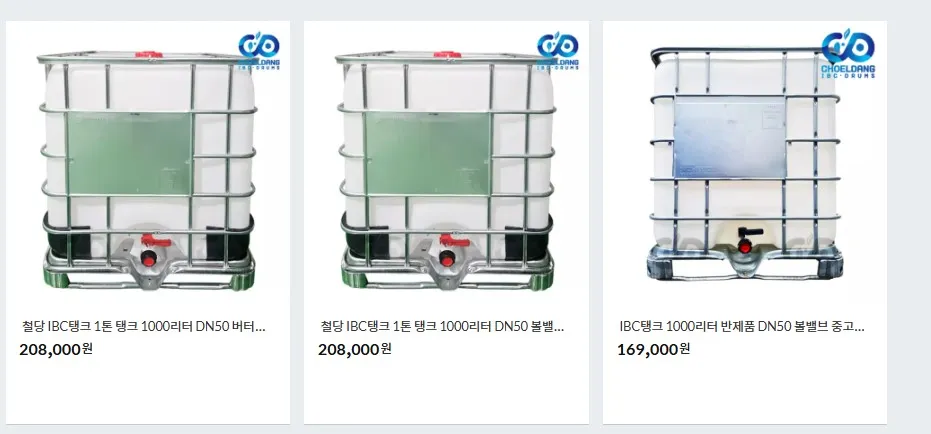
To select an ibc tank that works well in real operations, consider the points below. These checks reduce the risk of mismatch and improve long-term usability.
- Material compatibility: confirm the ibc tank construction is suitable for what you store or transport.
- Capacity and footprint: choose an ibc tank size that fits both your volume needs and your storage layout.
- Dispensing requirements: verify valve type, fittings, and access points to support safe and efficient transfers.
- Handling equipment: ensure forklifts, pallets, racks, and loading methods support the ibc tank format.
- Storage conditions: consider indoor versus outdoor use, temperature swings, and exposure factors relevant to your site.
In conclusion, ibc tank can offer a practical upgrade for bulk handling because they reduce container count, standardize footprints, and simplify daily movement and staging. When chosen with compatibility and workflow in mind, ibc tank can improve operational efficiency without adding complexity.
For best results, start with one process area where handling time is clearly lost, such as frequent refills or congested staging, then expand ibc tank usage after confirming measurable improvements.